Saturday, April 13, 2019

Cheektowaga Historic Rail Trail (Cheektowaga, NY)

Cheektowaga Rail Trail near Interstate I-90

Cheektowaga Rail Trail is a 2.2-mile asphalt trail paralleling an active Norfolk Southern rail line in the center of a major suburb of Buffalo. Walking on the trail one feels Isolated in an industrial landscape, but redwing blackbirds calling reminds me that nature is never far away. The trail offers view of the backyards of working-class houses, a few with aboveground swimming pools and waiting for warmer weather. I momentarily returned to a pastime of my youth, scanning boxcars to find interesting and obscure names, like the Kansas City Southern de México. It is the unseen movement of goods and materials by rail that is fascinating.

It is one of those gray days when calendar feels like a joke. The temperature is barely above freezing, 34°F, and all along the walk I could hear freezing rain hitting dead leaves.  The walk felt much more like November than mid-April. At one point I thought to myself that I wished it would warm up but then, I reasoned, the precipitation would not be frozen, and I would be cold and wet. Other than a few hardy souls walking their dogs, I saw no one else on the trail.
I found it a little disconcerting that a quarter of a mile into my walk, a posted sign suggested that walks should be safe and walk with a friend. It is the first time I have ever seen such a sign on a rail trail, although I realize the potential danger for some walkers. Nonetheless, there were parts of the trail that were remote and potentially perilous. 

Abandoned House at 16 Strawn Avenue
As my hands warmed up, the walk became much more tolerable. The path goes beneath the I-90 and Harlem Road, bother of which carry a great deal of traffic. After a mile-and-three-quarters, the trail begins to move away from the railroad yard and wedged between the trail and trains is a junkyard with thousands of vehicles. As the asphalt path is only separated this vast junkyard by a dirty, polluted creek and a few scrub bushes. Trash and car parts littered the far side of the creek. I watch as several people roamed the abandoned cars, many of which looked like they were melting into a pool of rusted metal. Do sites like this ever recover? Is this a place, at some point in the future, where trees will grow, and birds and animals inhabit? It is difficult to imagine that. At the end of the trail, which spills into Strawn Avenue, an abandon house tells of better times. 

junkyard
On my return trip the frozen precipitation was hitting me in the face. Although it stings sometimes, there is something invigorating about the sensation. The precipitation was heavier, but it was difficult to properly name: rain, snow or freezing rain. My fleece jacket was covered with small piece of ice, but I was not cold. I saw a man working outside in the Erie County Water Authority compound in a high viz jacket. He watched me walk, he gave an appreciative wave that I returned. 

Signs along rail trails usually provide interesting information that is relevant to the trail or area. The area known as Cheektowaga, “land of crabapples” in the Seneca language, incorporated the former village of Forks, where the railyard was currently located. A sign at the trailhead offered a bizarre story from the town’s local history. Within in sight of the trailhead is the remnants of the largest coal trestle ever built in the United States, built in the 1880s. A fire destroyed the trestle in the 1920s, but more salaciously, a love triangle was rumored to be at the heart of its demise. The wife of the owner of the trestle had fallen in love with one of his employees. According to legend the lovers schemed to kill the husband by removing pins that held his office above structure. The resulting collapse killed the owner but ruptured the gas pipes that killed the lovers as well. The sign reports that, “the bodies were never recovered and many tales of strange happenings at the sight of the trestle have continued to circulate over the years.”
Evangelical Church Home of Forks, NY
One can imagine that the area was once a busy area, filled with workers taking goods and materials to and from the railroad lines. Today, a few buildings and remnants of those industrial times are left. Primarily there are two major thoroughfares that run through the area without much reason to stop. An abandoned brick building caught my eye as I was having a look around. On the backslide, well hidden from the view of most, painted on the brick reveals that it was once the Evangelical Church Home of Forks, New York. Many of the people there will have spent their final years watching as the town and world they knew slowly disappeared. Their stories and memories have vanished as well.


Friday, April 12, 2019

Clouse Road


Early April brings warmer weather on the CVRT; it is a time for the reemergence of life. Baby goats not much bigger than Pip have appeared at Ott Road near Clouse. A very pregnant cat comes to greet me while I am walking. Rather than being timid, she rolls over and demands that I scratch the back of her head. I suspect that she things I might have a little food for her as well. As I go to continue my walk, she tries to keep up with me. I gently explain, “You’re a good girl but you’re not going home with me.” I outpace her and she cannot keep up. Nevertheless, she is waiting for me on my return trip desirous of a couple more scratches behind the ears.
As I am walking, I watch a Mennonite girl, approximately five years-old pulling a cardboard box with a rope attached as if it were a wagon. I try not to stare, just glancing as I pass. She made big circles, laughing with great joy at her own imagination, as her busy father avoids her path on his way back to the barn. Much like with my own cats, there is great pleasure in an unattended box, it lets our imagination take over.

Monday, April 8, 2019

C&O Canal: Synders Landing to Dam Number 4 (February-March)


The beginning of the winter semester drastically changes my work and walking habits. But I had planned to make use of Saturdays to connect Sharpsburg and Williamsport. Waking on the morning of Groundhog Day, after a week of bitter cold and occasionally winter weather, the temperature was 3°F. I had tasks to accomplish before I could even consider a walk. By late morning my commitments were complete, but the cold weather and lethargy pointed toward hibernation. I do not find walking in cold weather particularly onerous, but the trick is getting motivated to start. Thinking I should take advantage of the limited sunshine while I could, I dragged myself to the car. My car radio was set to the classic alternative rock station, and before I left my neighborhood, “Roam,” by the B-52s was playing. It is an upbeat song that encourages the listener to explore the world. Although I was prone to inactivity, the message on the radio suggested I do otherwise. 


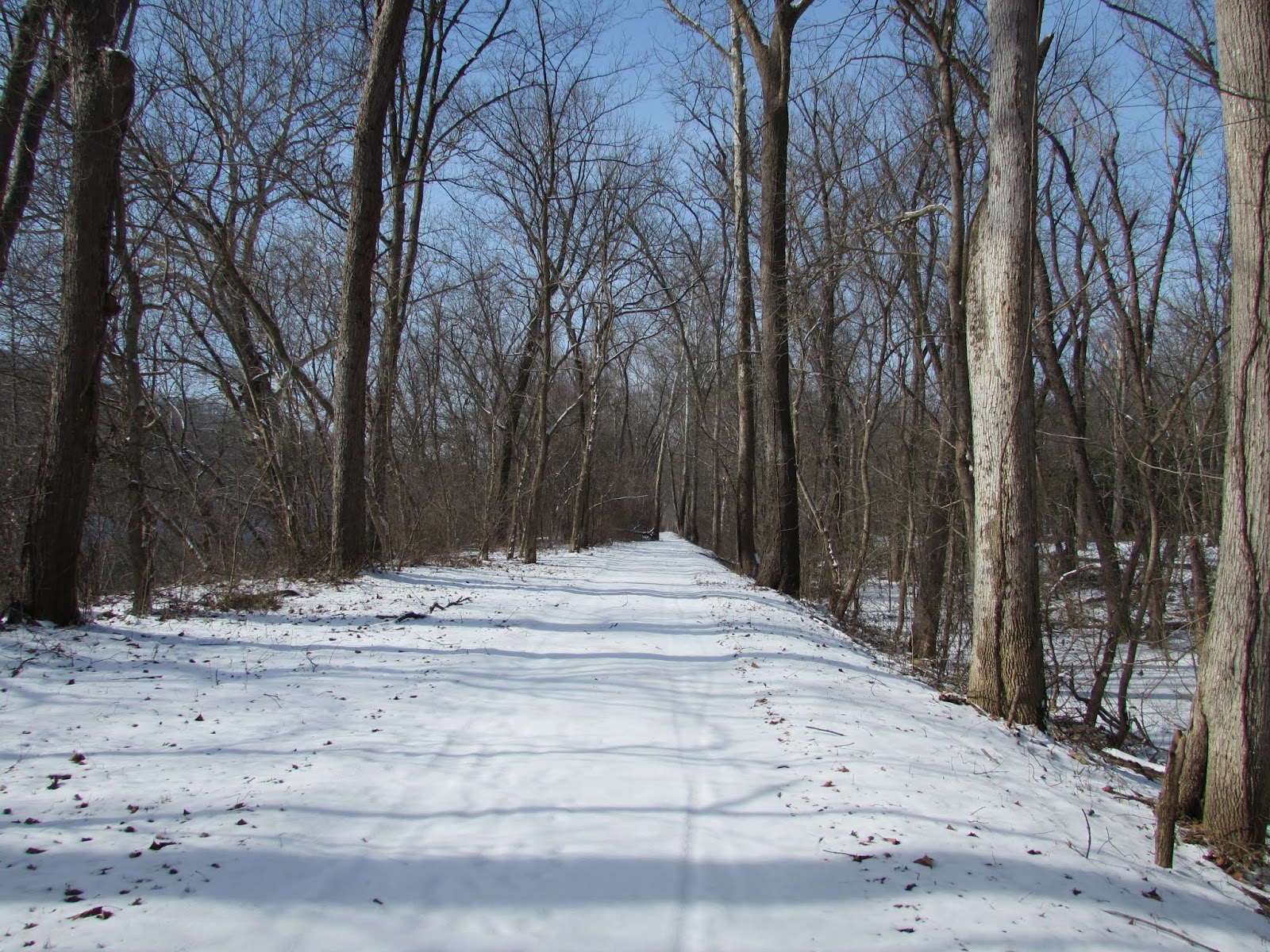
About an inch of snow covered the ground, and I am the first human to traverse the trail since the snow fell twenty-four hours previously. I am not sure why this thrills me, but it has something to do with my propensity to explore. The tracks of birds, squirrels, dogs, and deer are obvious and indicate that I am not alone. After recognizing deer tracks, I purposely watch the tree line. I did not hear a thing, but from my peripheral vision I espied something leaping over shrubbery on the other side of the canal. It was a whitetail deer, closely followed by three companions, travelling parallel to me about 40 yards away. I was amazed that I could not hear them springing through the trees and would have seen them, unless I had been looking. Yet, they were acutely aware of me. I fumbled to get my camera from my coat pocket, but the slowing of my pace, eventually coming to a complete stop, heightened the sense of danger for the four animals. Instantaneously, each turned directly away from me to put as much distance as possible between us, leaping large thickets in a single, silent bound. 


Snowfall in urban areas covers blemishes, such as the trash that has accumulated along the side of the highway, or muddy patches of the ground. Those who live only indoors are anesthetized to the everyday pollution of our society. By contrast, walking on a snow-covered towpath highlights that we humans as not alone. The snow highlights nuances of trees and hills; we can see that even if there are no other humans around, several other animals are.  It is definitive evidence that this is not solely an anthropogenic world.

A week later, I returned to Taylors Landing to walk downstream to MM79 where I had finished the previous Saturday. In the intervening week the snow had melted, and the temperature had risen to the 50s. People were getting out and completing chores that had been left undone during the long cold snap. It was my first time at Taylors Landing, a popular stretch of the towpath where a local ice cream shop is only open during the summer months. Located on along Taylors Landing Road, which is a one-and-three-quarter mile dead-end road emanating from the residential district of Sharpsburg, I parked at the boat ramp. It is a beautiful road traversing several shaded streams and nice houses. Yet it is disconcerting how many confederate flags, both battle and national, are along the road. Growing up in Louisville, everyday rising a bus to my high school, we passed a monument to fallen confederate soldiers on the edge of the university’s campus. It has since been dismantled. Although I probably did not fully recognize the implications at the time, this was obviously a provocation for many residents in the neighborhood, prominently displayed near an urban campus. I ruminate on the message being sent to those of us using the towpath.
A boat trailer washed ashore 
The past six months have been wetter than usual and, more specifically, the last few weeks with additional snow and rain, the Potomac has breached its banks on several occasions, In the opening chapters of Our Mutual Friend, my currently pleasure reading, Dickens outlines the lives of those who make a living salvaging the debris of the Thames. Gaffer Hexam patrols the great river, looking for the bodies of people who have committed suicide or have been the victim of skullduggery. Before turning over the bodies to the authorities, a quick check of their pockets to retrieve money or other valuables is his main source of income. Scouring the river for other items, that can be used or sold, supplements his income. During the winter months the Potomac has deposited several balls, bags, bottles, and other items, including in one instance, a park bench, along the shore. At MM80, I wondered away from the towpath down to the river’s edge. Navigating the piles of debris, I inventoried several plastic chairs, including one that was stuck in a tree twenty-five feet high, and two boat trailers that had washed ashore. Walking among the plastic bottles, cups, and cans intermixed with tree limbs and logs, there was an eerie silence. The lone sound was a piece of sheet metal, partially buried in detritus, banging against a tree truck whenever the wind blew.  

Mid-February brings the first birthday of our kittens. As fluffballs when they arrived, Lucie, Pip, and Coco had no difficulties capturing our hearts. I encounter plenty of dogs along the towpath but have yet to meet any cats. It is common to meet cats while in urban areas; however, in more rural areas cats tend to be barn cats or feral, neither of which is particularly conducive to greetings. Nevertheless, my three kittens have never been for from my mind. After returning home from a walk on the towpath my hiking boots elicit great fascination. I often think about Pip trotting along side me walking on the trail but quickly realize that he would never be able to focus long enough to walk even a quarter of a mile.
While they are never on the trail. They are often with me when I am writing my notes or journals. If I am typing on my computer, I sometimes have Coco resting her head on my wrist and forearm. If I move too quickly, or disturb her too much, she gives a little squeak in disapprobation. I can sit and gaze at her for several minutes and study her white mitten paws, her little white moustache and whiskers, set against her dark fur that always looks disheveled. She purrs contentedly as she droops her head and right paw over my hand that guides my mouse. In movement of my hand produces a slight contraction of her paw; I feel her claws gently press against my skin gently asking me to let her cuddle a few minutes more.

It was another six weeks before I could get back on the trail. Weather, work and travel plans, prevented a quick return. A severe wind storm in the interim had a dramatic effect in the region. Several trees, partially aided by saturated ground, had toppled over across the region. Flags ripped at a horse farm near the trail had been ripped in half by the wind. As I began my walk from Taylors Landing, the stillness of the Potomac was punctuated the noisy sounds of tree removal in the winter’s aftermath. Nevertheless, many people fishing along the banks of the swollen river, and many more were in boats for an early spring fishing trip.  I am again amazed by the debris in the river. While there are several trees, limbs and plastic in the water, as they have been throughout the winter, I was flabbergasted to see an entire picnic table that had been washed away and wedged upright, partially covered by the river, against a tree at the water’s edge.
Beyond MM82, the canal is adjacent to fallow farmland. It is tranquil, away from people and automobile noises. Sweet birdsong, led by a hermitage of bluebirds, background sound provided by roosters calling from a distance, fills my ears. Only momentarily is the song disturbed by the sound of an airplane, unseen beyond the clouds, flying several miles above.  
In a few short weeks the standing water on the canal will be breeding grounds for mosquitoes. Once again, walks in the humid heat and swarms of insects will become unpleasant. It is part of my regret about the long gaps between my walks on the towpath. But for now, butterflies and turtles have reemerged as winter fades into our memories. The reappearance of turtles made me consider what they did during the winter. Obviously, given their deliberate travel mode, a quick trip to Florida like many of their avian neighbors is probably not likely.  After quick research, it turns out that snapping turtles can survive the winter months beneath the ice.
I often find myself putting my hands on great old, moss-covered trees, much like I would do with my cats. My inclination is that I both like the tactile feel of Pip, Lucie and Coco while at the same time reassuring them that we remain part of the same family. But my propensity to touch old trees has made me question my assumption. The tree is probably not being reassured by the presence of me. Perhaps I am reassuring myself as well. Is it an attempt to make a connection with another living thing?
Looking out from the mouth of Dam 4 Cave
I briefly explored Dam 4 Cave but decided to leave once I realized that two eastern phoebes were desperately trying to fly into the mouth of the cave. My presence was dissuading them; chirping abounded as I precariously navigated the rocks in the creek flowing out. After I exited, I watched the two birds who were nesting on a ledge near the entrance to the cave from a distance. A little later, as I neared Dam 4, I saw a group of eleven spelunkers leaving their cars. I inquired if they were heading to the cave and a young man replied, “Yes, sir.” (the answer made me feel old) On my return trip, most of the people were in the cave but two were arranging equipment outside. He told me that the group could travel about 1000 feet into the cave. “Enough to keep us busy,” he added. But there was no sign of the phoebes. 

Louisiana waterthrush 
As is usually the case this time of year, robins are everywhere. Their antics in the spring, looking for mates, make me laugh. Yet, I find that a long walk on the trail inevitably makes me more likely to spot birds that are a little more obscure. At one point, I watched a small brown and white bird, treading the waterline of the canal, bobbing its head up and down hunting insects and small fish. I had never identified a Louisiana waterthrush, perhaps because I had not observed closely. It is one of the birds that, because of pollution and loss of habitat, has seen a significant decline in population over the past couple of centuries. As more streams are channeled and wetlands drained, species like this find it more difficult to survive. 

As I drew near to Dam 4, more people were walking and biking the towpath. Dam 4 is a popular place to access the National Park and the towpath. I passed five humans and six dogs. Most of the dogs were mixed-breeds and ignored me; however, a King Charles spaniel sat right in front of me and insisted on licking my hand. One of the women noted, “He’s ferocious.” “I noticed,” I replied. When I passed them again, the spaniel weaved through the dogs and human to greet me again. This time, a Boston terrier followed suit and the other dogs rubbed against me as they passed. It seemed that he was, indeed, the king of the pack.
​When I reached MM84 I completed a section of the trail, linking with the start location from last spring, almost a year and a day. I walked on to Dam 4, another quarter of a mile further, because it was such a nice day. February and March had been less productive that I wanted, but still I have completed twenty percent of the trail. I would like to cover more ground, but perhaps I should be more patient. It takes me forty-five minutes to arrive at nearest point of the towpath from my house. Completing the towpath is going to take time and perseverance.
I drove into Sharpsburg for lunch at the Battleview Market and Deli, within the shadow of the field where the Battle of Antietam took place. On this particular Saturday, the deli was particularly busy with people ordering sandwiches and pizzas. I opted for premade chicken salad sandwiches on Martin’s rolls, a local favorite famously made in Chambersburg, Pennsylvania. As I ate my sandwiches, I scanned the community board with one notice offering rabbit meat for sale. I laughed as I thought about my childhood remembrances of watching cartoons where Elmer Fudd and Bugs Bunny would debate the attributes of rabbit fricassee in a fancy Hollywood restaurant. Very few Americans eat rabbit today, and one is more likely to find rabbit in rural Maryland and it is probably highly unlikely that there are many restaurants in Los Angeles that would serve rabbit in any form.


Wednesday, March 6, 2019

Mud Level Road


Driving home from the CVRT, along Mud Level Road, I observed a cute scene: A Mennonite girl of about 8-10-years old, was walking down her lane to pick up the mail. She gingerly walked upon the fresh two inches of snow we received in the morning. Her shoulder-length hair, the same color as the cornstalks in the adjacent field, was flowing from beneath her knitted cap. At her feet were three fluffy gray cats, less than a year old, weaving between her legs. They looked into her eyes begging for attention. I was tempted to photograph, but it was impractical and perhaps unethical.

Saturday, February 23, 2019

Wilkes-Barre (preliminary notes)


Wilkes-Barre, named after two prominent members of the British Parliament, was founded in 1769. It was once a center of economic activity during the industrial production period of the United States but has fallen on economic hard times since. The decline has taken a toll on the city’s population and architectural legacy. In 1930, the population of the city was in excess of 86,000 residents; today, the number of people is less than half of that, hovering just about 40,000 people. As you walk around the city, replete with potholes and empty lots, you can observe the effects of deindustrialization.
Central Railroad of New Jersey Station built in 1868 

A gray, bleak Saturday morning in February is probably not the optimal time to explore the center of Wilkes-Barre. Several older men were shuffling through the predominantly empty downtown streets; the damaged ornate buildings make economic recovery feel far away. The urban landscape of deindustrialized Pennsylvania does not inspire hope. Of course, winter is probably not the best time of the year to visit Wilkes-Barre; it does not show well. Pennsylvania in the winter is often overcast and gloomy and the bitter, and the damp cold makes me walk a little faster and with purpose.

Located on South Main Street, the Engel Building was constructed in 1890. The building was evacuated in 2013 when surrounding buildings had to be immediately demolished because due to instability. The businesses that were tenants never reopened. In 2016, the buildings were sold to a developer in preparation for a new 10-story hotel, according to the local newspaper. 


The Sterling Annex building, on River Street, dates from 1912 when it opened as an Elks Lodge. In 1939 the building became an annex for the Hotel Sterling. Today, it sits empty, awaiting revitalization. The exterior of the building gives a hint to its architectural grandeur that graced the riverfront area.  


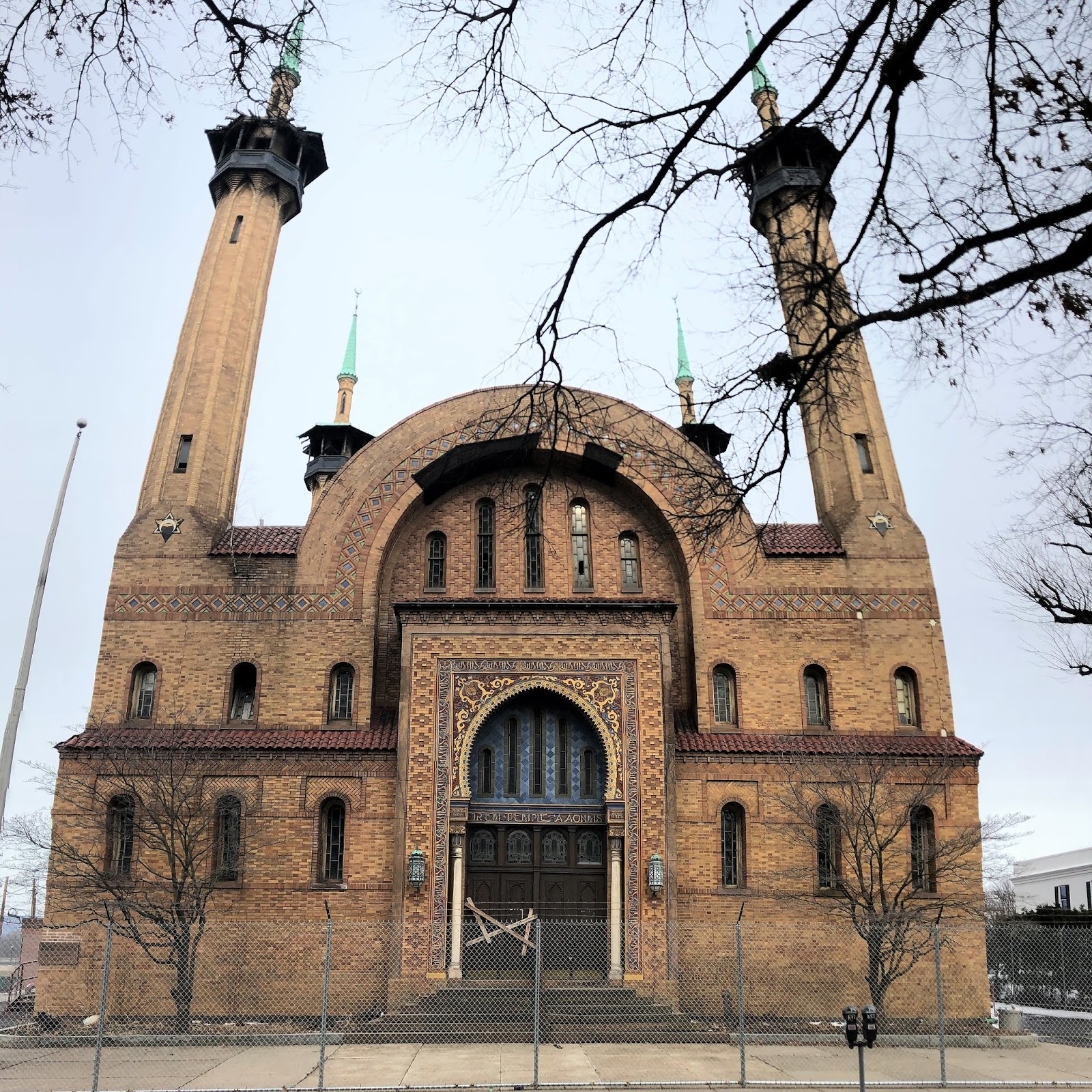
Built in 1907, the former Shriner's Irem Temple is undergoing renovation. Its distinctive features, evoking an Islamic theme, looks incongruous with the surrounding neighborhood, but also attests to a more prosperous era for Wilkes-Barre. The building is currently surrounded by a chain link fence suggesting renovations; however, the broken windows and the haphazardly nailed boards across the front doors suggest otherwise.  


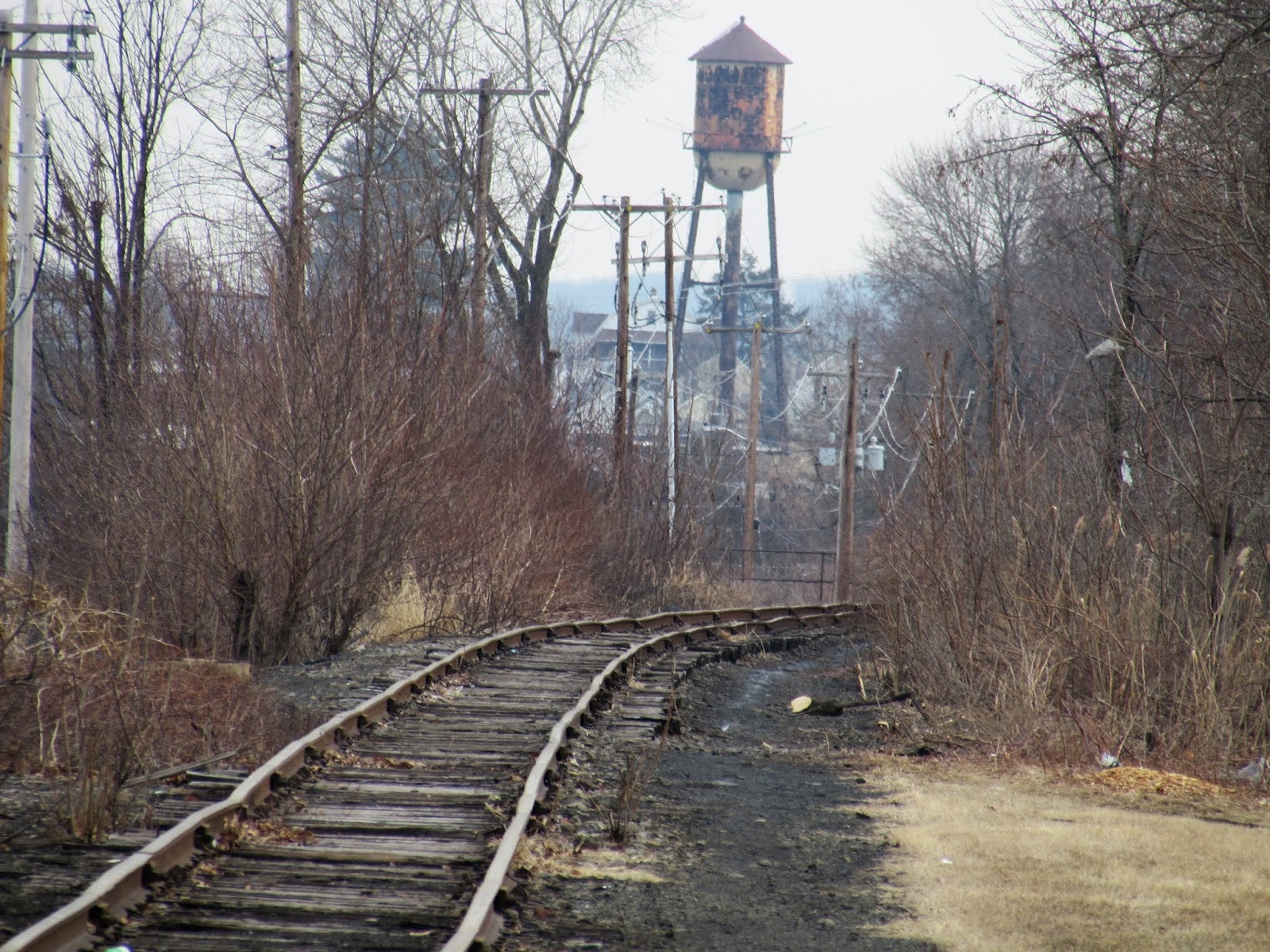
Abandoned tracks leading out of town

Monday, February 4, 2019

C&O Canal: Antietam Creek to Snyders Landing (January)


The new year brings a change in venue on the C&O towpath. For now, I leave the more isolated parts of the trail to go downstream and work my way through some of the more crowded areas. The area around Antietam Creek and the towns of Sharpsburg, Maryland and Shepherdstown, West Virginia are replete with monuments and stories about the Civil War. Signs indicated where armies form both sides forded the Potomac. While interesting, and historically important, my interest lies in the beauty of this area. The river makes four distinct and sharp bends between Shepherdstown and Falling Water, creating small jutting peninsulas of West Virginia.

Antietam Aqueduct
Walking on the first day of the year, I am greeted by many more people than I have seen in the past couple of months on the trail. When I waked across the path of the Antietam Aqueduct, constructed in 1834, four women were riding horses were traversing the bed of the canal. One woman blissfully shouted, “Happy New Years!” I responded in kind, but my response slightly alarmed one of the horses, because from his perspective I was overhead. The rider gave the chestnut-colored horse a gentle stroke and told the other riders that he was not accustomed to seeing someone “up there.”

The trail was teeming with people, I think, trying to fulfill their annual resolutions, created in the hope of changing habits or opening a new chapter. The cycles of our world provide a chance for reflection and reconsideration. My decision to change location on the trail periodically is, in part, a function of an artificial calendar about when a new cycle begins. But it is a useful opportunity to keep myself engaged and provide new perspectives.

Norfork Southern Railroad Trestle a Shepherdstown
Walking the towpath provides good lessons about patience and fortitude. Undertaking this 184-mile trail cannot be done in a single day. Accepting that is important; there is no quick solution or easy fix, it is a process. Walking the C&O is an enjoyment. I have a goal, and I am motivated to complete that goal; however, there should be time to enjoy. Watching a rather large woman struggling to run past me, I think about this. Her path to weight loss and good health takes time and patience, it will not be accomplished in a couple of days, or even a month. 

I found myself following a couple, who were older than I, for about a mile. Although my pace was faster than theirs, I kept a distance of about 100 yards between us by photographing birds and admiring the river and trees. As we neared Shepherdstown, I glanced up just in time to see the woman slip in mud, and then fall. The man somewhat startled turn and said, “What did you do?” My first inclination was to rush ahead and help. But as the woman tried, and successfully, regained her feet, I decided not to add to any embarrassment. A few moments later the couple photographed themselves in front of the Shepherdstown sign, her dirty pants were the only visible injury. The incident leads me to consider how vulnerable we are to random accidents. A fall like this can have devastating consequences. No longer can I, or most of my peers, assume that we will recover from a major injury. It is something that I do not like to think about. An injury resulting from a fall leaves open the possibility of an incomplete recovery, which would be a devastating prognosis.
The towpath just upstream from Shepherdstown

A talk show on the radio argued that by January 7, the pretense for New Years’ resolutions had faded. A cold, early January Monday meant that people who I would see would be dedicated walkers and explorers. Perhaps because it is close to Shepherdstown, the trail is well used here. There is good evidence to suggest this, including a forgotten tennis ball lost by a friendly dog.

As I drove to my second walk of the month, a talk show on the radio argued that by January 7, the pretense for New Years’ resolutions had faded. A cold, early January Monday meant that people who I would see would be dedicated walkers and explorers. Perhaps because it is close to Shepherdstown, the trail is well used in this section of the towpath. There is good evidence to suggest this, including a forgotten tennis ball lost by a no doubt friendly dog. 

My favorite type of bird is the woodpecker, which I take great joy in watching and photography. Because it is skittish and elusive, I find it particularly challenging to photograph pileated woodpeckers. January and February seem to be the best months to do so, especially because the lack of foliage in the woods makes the bird easier to spot. As I reached MM74, I stopped to retie my bootlace. As I was bent over, I heard the distinctive cry of a pileated and minimized my motions so as not to scare it. As I scanned the sycamore tree from which the call emanated, I spotted a pair of woodpeckers after a while: A male, high in the tree tops, surrounded by small branches, making a shot that was in focus virtually impossible. Meanwhile, closer to the ground a female, who was backlit, was digging for insects on a dead branch. She periodically poked her head around the corner as if to invite me to a game of hide and seek. Actually she was trying to determine if I were a danger, while the male continuously warned that I was.


I stood and watched for over ten minutes, trying to maneuver to achieve better lighting and for one of the birds to uncover well enough to get a good shot. A woman with her dog walked by, the look on her face suggested that her initial reaction was that I was off the trail to relieve myself. I tried to wait patiently, yet of all the days this was the one when I was scheduled to meet someone for lunch. But before I did, I wanted to walk a mile further on the trail before returning to Shepherdstown. After several mediocre shots, reluctantly, I continued to make my way to MM75.

As I approached MM74 again on my return trip, I scanned the trees for the birds. About a tenth of a mile past the mile marker, I again her the familiar cry. This time I had a better sightline, but the long lens and reduced light of an overcast day meant that the photographs were dark, grainy and not very sharp. I was running late; I took passable photographs and continued. Then, a half-a-mile farther, I heard yet another cry; two more pileateds flitted around below me this time. The lighting was good, and their colors showed well. The male fussed so much that a blue heron, which I had not seen, scuttled from the river bank behind me. Within a few minutes, the pair would dart off again, leaving me with a series of unsatisfying photographs. 

Carolina Wren
After adventures like this, I think about Dick Davenport, a character from the Doonesbury comic strip, who famously died photographing a Bachman’s warbler, a small yellow bird that became extinct sometime during the 1980s. I was an avid reader of the comic during high school and college, even purchasing several collections in books, which I read and reread. Davenport’s dying thought upon snapping the picture was that he had achieve immortality by photographing the now probably extinct bird. I have no such pretense, I am photographing fairly common birds, in highly populated areas. It is a hobby, like a collection, that gets me out in the woods for a little exercise. My photographs are a test of skill and patience; I have little hope of publication and do not suggest that there any greatness be attached. At the same time, I understand how exhilarating it must be to photograph the extremely rare.

After my walk, Lonce picked me up at the parking lot for lunch in Shepherdstown. He had moved here a few years prior and really likes the charm of the small college town. Because I had yet to visit, Lonce gave me a quick tour before lunch at a local taqueria. It was a popular local place, with great food and specialized service. The young gentleman taking our order knew Lonce by name and they conversed about local events and happenings.

In American society it is rare for males to sit down, with no business agenda, and have a chat. Lonce and I share a profession and many similar interests, and our conversation turned to books and articles, food and entertainment. The communal gathering for meals is an important aspect of human interaction. Each culture has specific customs and traditions when dining together. It is a chance to convey stories or seek advice, which are necessary to a well-rounded life. But like many things in our hyper-connected world, the simple gathering of people for meals is increasingly rare. Sometimes I must explain to students while traveling in Europe that having meals alone in from of a television is not acceptable. In many places the act of eating is essentially communal. Even our propensity to have lunch at our desks, prioritizes work over people, especially our colleagues.

My last walk of the month was on the final day of the longest federal shutdown. It was my fourth foray into a national park during the shutdown. In addition to the C&O towpath, I had also taken an afternoon walk through the battlefield at Gettysburg. Each time I walked in a national park during the shutdown, I experienced some pangs of guilt. Although there are many of us who will use the parks responsibly, it is disheartening to learn how many will not. The disturbing stories that emerged from National Parks during the government shutdown of overuse, off-roading, and, in particular, the destruction of rare Joshua trees at Joshua Tree National Park led me to question if citizens at large can be trusted with the responsibility of our common heritage. Have we come to a point where individual consumption, through the destruction of unique beauty and wilderness, is considered to be more important that our collective enjoyment? Is it necessary that natural treasures must be guarded for all from the overuse and carelessness of a few? This is why we have rangers, but the incidents seem to indicate that increased vigilance is necessary. It pains me to consider the callous disregard of nature and collective property.


I love to photograph trees set against the twilight of a winter’s day. In the winter, the light is diffuse and interesting, there are no leaves so we can see the intricacies of branches highlighted against a twilight sky. Lone trees create excellent photographs, call the viewer’s attention to the subject of an individual tree. Yet trees are part of a collective. Peter Wohlleben has argued that trees are able to communicate to one another. They show signs of intelligence; if a tree is bitten by a deer, it will send poison to the area to deter the deer from continued nibbling. If it is pruned by humans, it will send healing chemicals to where it has been cut. It appears that trees have memory, because they are able to remember long term droughts, adjusting their intake so to retain enough water in future years. It is remarkable for these majestic plants have such capabilities. Most trees have lifespans that exceed humans; a way of knowing and learning that is completely unknown from ours. Wohlleben’s work reminds me of one of my favorite animated films, Rooted (2011), which follows the lives, interaction, and love of two trees.

Although trees are majestic and awe-inspiring, a forest is not just about trees. It is the interaction of several species of plants and animals, water and weather. If we plant a field of trees that will be harvested sometime relatively soon for lumber, it is not a forest. It is the same as planting a field of corn, or wheat, to be harvested for our food supply. It is for commercial use, not a forest.

The walk, on a late Friday afternoon, was very quiet. The wind was still. Puddles of water on the trail were frozen. The river was quite high. It has been difficult to maintain my Zen approach when, while driving to the towpath, a colleague replied all to sixty people passing along erroneous information causing a minor uproar. There are things to distract us. I see another pileated woodpecker, and surprised to espy a black squirrel, an uncommon sight in this region of the country. I am always surprised by what is left on the trail. Today, after a week of the maximum temperature still not reaching freezing, I happened upon a size 44 winter coat, frozen stiff laying beside the trail. Half a mile farther away, a lone winter glove.

I finished my walk by going the third of a mile beyond Snyders Landing to MM77. I met an older couple who were walking an even more elderly dog as the sunlight faded behind the hills and trees of the West Virginia side of the river. I finished the remainder of my walk with the couple walking back to my car parked at the landing, chatting about the weather and other trivial things. We exchanged where we lived, and what we did. When I confessed my profession, the man offered one a standard reply I often get, something along the lines of, “This must be an interesting time to teach…” We confronted with the comment, I usually respond that international relations is a growth field: it is not going away anytime soon. They politely laughed at my little joke and wished me well. The woman called to me, “We hope to see you on the trail again soon!”


Thursday, January 31, 2019

Downtown Austin Theaters


Paramount Theater
The Paramount Theater opened as the Majestic Theater on 11 October 1915. It was designed by the famous cinema architect John Eberson. The house was renamed the Paramount in 1930. Located at 713 Congress Avenue.

Ritz Theater
Located at 320 E Sixth Street, the Ritz opened in 1927 as an early talkie house. In later years it served as a concert venue. 


State Theater

Opened on Christmas Day 1935, screening The Bride Comes Home, with Claudette Colbert and Fred MacMurray, as its first feature. Location: 719 Congress Avenue.